METAPULSE Esports news and competitive gaming coverage
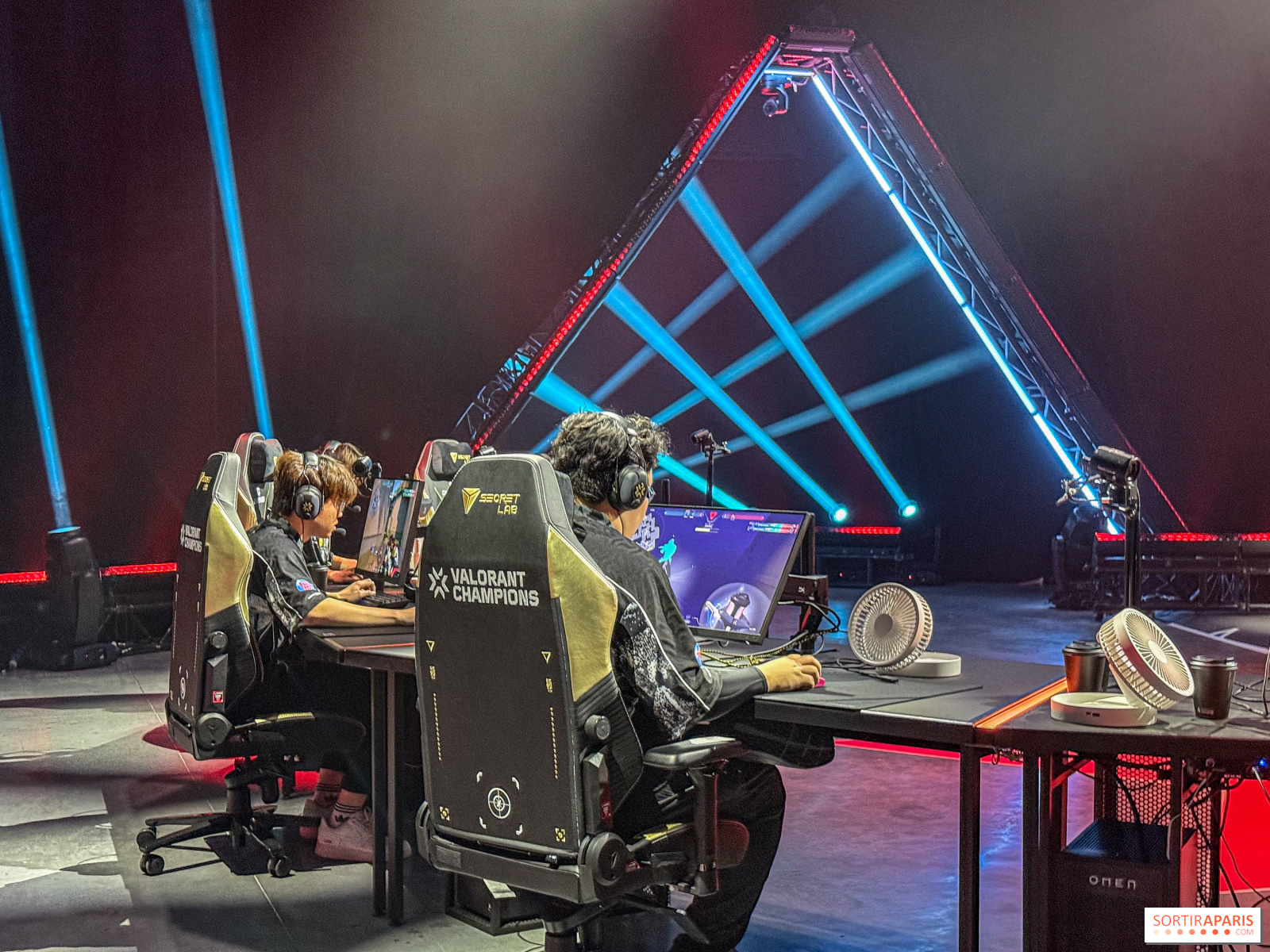
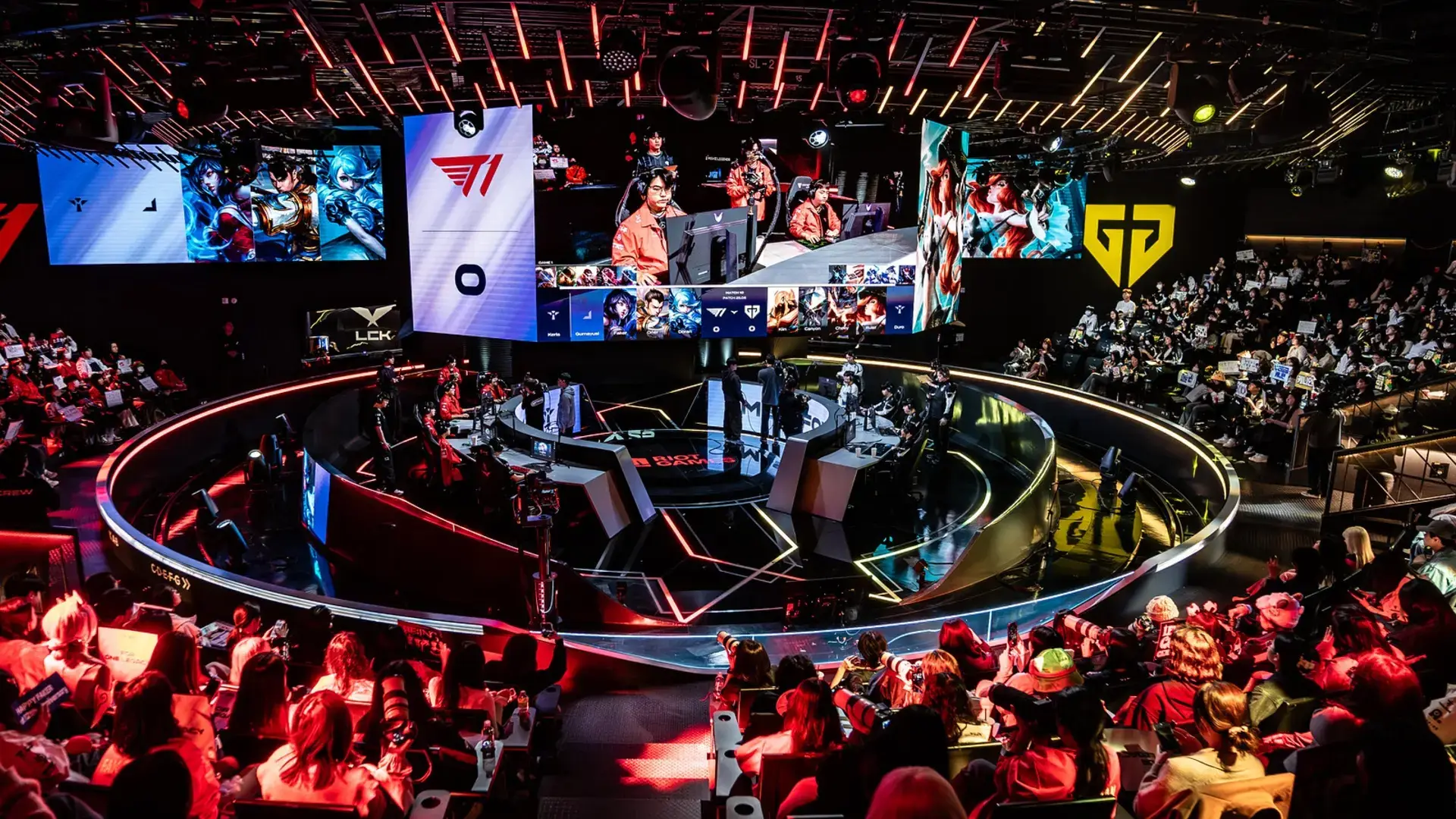
MetaPulse editorial photograph of a packed esports arena during a major competitive gaming tournament

MetaPulse esports coverage; illustrative tournament image.

Latest esports analysis

Beyond the scoreboard: strategy, execution and the details that decide a match

A compelling esports contest is shaped by far more than individual skill. Team coordination, map control, resource management, mechanical precision and mid-game adjustments can gradually change the balance of a series. Our analysis looks beyond the final score to examine the decisions, strategies and key moments that determine how competitive matches unfold.

  • MetaPulse Editorial Desk
  • Professional esports analysis
  • Strategy and competitive performance
Read match analysis

Esports analysis index

Four perspectives on what happens in competitive play

Explore tactical breakdowns, mechanical assessments, tournament coverage and individual player analysis. Each entry identifies its editorial focus, competitive context and the key elements examined, helping readers distinguish between a straightforward match report and a deeper investigation of esports strategy, team coordination and execution.

01

Match tactics · map control

The Art of Controlling the Map

An examination of positioning, information gathering, objective timing and coordinated rotations, exploring the small strategic decisions that allow a team to dictate the pace without constantly committing to risky engagements.

  • Format: tactical breakdown
  • Author: MetaPulse Editorial Desk
  • Published: November 9, 2026
  • Focus: competitive team strategy
  • Analysis context: map awareness, positioning and objective control
  • Subject: rotations, information and coordinated pressure
Open analysis
02

Mechanics · individual execution

Building Consistent Competitive Mechanics

A technical look at how players develop precise inputs, reliable aim, movement control and efficient ability usage, while using positioning and game sense to avoid predictable decisions under competitive pressure.

  • Format: technical review
  • Author: MetaPulse Editorial Desk
  • Published: November 9, 2026
  • Focus: mechanics and individual performance
  • Analysis context: execution consistency, accuracy and decision-making
  • Subject: aim, movement, ability timing and game sense
Open analysis
03

Tournament coverage · championship contention

What Makes a Championship Tournament?

A closer look at qualification formats, tournament brackets, seeded competitors and the strategic pressures that shape the road from an opening match to a major esports title.

  • Format: tournament field note
  • Author: MetaPulse Editorial Desk
  • Published: November 9, 2026
  • Focus: professional esports competitions
  • Analysis context: qualification paths, standings and championship pressure
  • Subject: tournament formats and title contention
Open analysis
04

Player analysis · competitive decision-making

Reading a Player's Competitive Style

From aggressive entry plays and calculated rotations to patient defensive setups and decisive late-round calls, this analysis explores how individual habits influence a player's options throughout a competitive match.

  • Format: player profile analysis
  • Author: MetaPulse Editorial Desk
  • Published: November 9, 2026
  • Focus: individual esports performance
  • Analysis context: positioning, risk assessment and in-game decision-making
  • Subject: player tendencies and tactical adaptation
Open analysis

Technical esports analysis

Beyond the scoreboard: strategy, execution and the details that decide a match

A focused examination of competitive gaming fundamentals, including map awareness, mechanical execution, team coordination and the tactical adjustments that can change a series from one round or game to the next.

  • MetaPulse Editorial Desk
  • Professional esports analysis
  • Technical and tactical assessment
MetaPulse editorial illustration of a competitive gaming setup and esports tournament stage
MetaPulse esports illustration; not a photograph of a specific tournament.

Map awareness, timing and team coordination

Map awareness is one of the foundations of effective competitive play. Players must understand where opponents are likely to move, which objectives are becoming available, and when a rotation can create an advantage. Information gathering is particularly important because it helps a team distinguish between a genuine opportunity and a risky engagement. In tactical shooters, communication and utility usage can determine whether a site execute succeeds. In MOBAs, vision control and lane priority can shape access to major neutral objectives.

Positioning gives these decisions practical value. A coordinated rotation can help a team secure an objective before its opponents are ready, while a poorly timed commitment can leave important areas exposed. Players who maintain awareness of their teammates' positions and available resources are generally better equipped to support an engagement, disengage safely or adapt when an initial strategy fails. Communication also matters: acting without shared information can break team coordination and give opponents an opportunity to punish isolated players.

Competitive performance profile

Review dimension Competitive assessment What to examine
Map control Control of key areas determines which team can approach objectives and engagements on favorable terms. Positioning, vision, information gathering, rotations and access to important map locations.
Mechanical execution Consistent mechanics allow players to convert opportunities into reliable in-game results. Aim accuracy, movement, ability usage, input consistency and execution under pressure.
Team coordination Clear communication and synchronized actions create opportunities that individual skill alone may not provide. Callouts, role distribution, utility combinations, objective setups and coordinated engagements.
Tactical adaptation Successful teams recognize opponent patterns and adjust their approach as a match develops. Changes in strategy, responses to pressure, draft choices and adjustments between rounds or games.
Resource management Efficient use of available resources helps preserve options and maintain competitive pressure. Economy decisions, cooldowns, equipment, objective timing and the value of each engagement.
Objective control Securing important objectives can create momentum and establish favorable conditions for the next stage of a match. Objective timing, setup quality, contest decisions, rotations and awareness of opponent positions.

When mechanics meet sustained competitive pressure

A player may understand an opponent's strategy perfectly and still struggle to respond when fatigue begins to affect concentration and execution. Repeated engagements, demanding rotations and extended tournament series can gradually reduce reaction speed, mechanical consistency and decision-making quality. The challenge is not simply recognizing an opponent's next move; it is maintaining accurate inputs, effective positioning and clear communication while the demands of competitive play continue to increase.

Effective preparation therefore involves more than improving aim or mastering a particular character. Players need conditioning and practice routines that support consistent mechanics, concentration and reliable communication throughout a demanding competition. Coaches also monitor recovery between maps and matches, looking for signs that fatigue is affecting positioning, ability usage or the team's ability to follow its tactical plan. These details are central to evaluating a performance because they often determine whether players can maintain an advantage during the later stages of a series.

Training preparation and competitive context

Esports preparation combines individual practice, team scrims, mechanical drills, strategy sessions, replay analysis and physical conditioning. Training schedules are designed around the demands of a particular opponent, game title and tournament format. A team preparing for an aggressive opponent in a tactical shooter may emphasize defensive setups, utility coordination and disciplined retakes. Against a team that prefers slower map control, preparation may shift toward information gathering, coordinated pressure and carefully timed rotations.

The quality of preparation is also reflected in how a team adapts during competition. A well-developed strategy should provide a starting point rather than an inflexible script. Changes in opponent behavior, unexpected draft choices and adjustments between maps can require a different approach as a series progresses. Understanding this relationship between preparation and adaptation gives readers a more complete picture of what happens beyond the final scoreboard.

Official source note

Editorial basis: This is a technical, source-informed esports analysis rather than a report of a specific verified match or a claimed MetaPulse on-site observation. Competition rules, tournament formats and eligibility requirements may vary between game publishers, leagues and event organizers. Readers should consult the relevant governing organization or tournament operator for current official details.

Long-form tournament analysis

The road to an esports title: what makes a championship tournament

A major esports championship is shaped by much more than teams entering a tournament server. Qualification systems, competitive rankings, roster decisions and the history of a game's professional scene all influence how a title opportunity develops.

  • MetaPulse Editorial Desk
  • Professional esports competitions
  • Extended tournament assessment
MetaPulse editorial illustration of a major esports tournament stage and championship trophy
MetaPulse editorial championship illustration; not a photograph of a specific tournament.

An esports championship represents a major competitive opportunity, but reaching that stage can involve a complicated sequence of decisions. Teams build their records through league matches, regional competitions and international events, gradually establishing themselves among the strongest contenders in a game. Rankings and qualification rules influence the route, while roster eligibility, tournament formats and official invitations can determine whether a team reaches the main event.

How a championship opportunity develops

Qualification pathways differ between esports titles and tournament organizers. Some competitions use open qualifiers that allow emerging teams to challenge established organizations. Others rely on regional leagues, seasonal standings or invitations based on previous results. A strong position in a ranking system can provide a useful indication of competitive form, but it does not automatically guarantee entry into every major event. Eligibility requirements, roster rules and qualification procedures all influence the final field.

The distinction between a regular-season competition, a regional final and an international championship is also important. These events can carry different levels of prestige, prize structures and qualification consequences. Readers following a developing tournament should check which organizer is involved, what status the competition holds and whether a team's participation has been officially confirmed. An announcement about a proposed event and a finalized tournament schedule are not necessarily the same thing.

A championship run is built through competitive results, official qualification and decisions made long before the final match.

The importance of a team's competitive record

A team's recent results provide useful information, but they cannot explain its entire competitive level. The quality of opposition, the tournament environment and the way a roster responds to different playstyles all matter. A long winning streak may attract attention, yet an experienced team that has faced difficult opponents across several events can present a much more demanding challenge than its latest statistics initially suggest.

Recent activity is another consideration. Extended breaks between competitions can affect coordination, match rhythm and the ability to adapt under pressure. At the same time, a team that has not appeared on the main stage for some time may have used that period to refine its strategies, develop new player roles or integrate a roster change. Evaluating a contender therefore requires more than counting victories and defeats; it means examining the opponents faced, the consistency of performances and the tactical progress shown over time.

Playstyles make championship matches difficult to predict

A major tournament often brings together teams with contrasting strengths. An aggressive roster may try to dictate the tempo, take early map control and force opponents into uncomfortable engagements. A more measured team may prefer to gather information, preserve resources and punish overextended opponents. A tactically versatile roster can switch between these approaches depending on the map, draft or state of the series.

These stylistic differences help explain why tournament predictions should not rely exclusively on reputation or recent winning streaks. A mechanically gifted team may struggle against disciplined coordination, while a strategically strong roster may face problems if its opponents consistently win individual engagements. The central questions concern execution, tempo, resource management and the ability to make adjustments when the original game plan stops working.

What happens between qualification and tournament day

Once a team secures its place in a major competition, preparation moves into a more focused stage. Training schedules are organized around the expected opponents, the tournament format and the demands of the game. Coaches and analysts may study previous matches to identify strategic habits, preferred compositions, map tendencies and reactions to pressure. Scrim partners can then help reproduce aspects of the expected competitive challenge.

The organizational side also becomes more visible. Roster registration, travel arrangements, media obligations, technical checks and tournament procedures all contribute to the event. Players may need to adapt to a different stage environment, equipment setup or match schedule. The final rules, competitive settings and eligibility requirements depend on the relevant publisher and tournament organizer. These details help establish the conditions under which the competition will take place.

Why the final stages matter

The tournament format changes how teams manage their resources and approach risk. A long event may demand sustained concentration across multiple matches, while a single-elimination bracket can leave little room for recovery after a poor performance. Early success does not necessarily guarantee a favorable finish, particularly when opponents can study a team's tendencies and introduce tactical adjustments later in the competition. Preparation, adaptability and communication become increasingly important as the stakes rise.

Match outcomes are determined by the rules of the relevant game and tournament format. Depending on the title, results may be decided through maps, rounds, games, objectives or aggregate series scores. A close contest can turn on a small number of decisive engagements, making consistent execution and clear team coordination especially valuable. Understanding the format is essential when interpreting standings and evaluating a team's route through the bracket.

The role of publishers and tournament organizers

Esports competitions operate through several organizations with distinct responsibilities. Game publishers establish the competitive environment and may oversee official leagues or championship circuits. Tournament organizers manage event operations, competition schedules, qualification systems and match administration. Teams and esports organizations handle player contracts, coaching structures, roster decisions and other aspects of professional competition.

Because these responsibilities are distributed across different organizations, tournament announcements should be read carefully. A proposed event, an announced qualification pathway, a confirmed team invitation and a finalized match schedule represent different stages. Reliable coverage should make those distinctions clear rather than presenting rumors or preliminary plans as confirmed competitive information.

Why esports championships remain compelling

The appeal of a major tournament comes from the combination of individual skill, team strategy and competitive uncertainty. Established organizations must defend their position against emerging challengers, while rising teams have an opportunity to change the direction of an entire competitive scene. The contrast between proven experience and new talent creates a meaningful sporting narrative, especially when both sides demonstrate the ability to perform at the highest level.

Championship status also gives individual performances a wider significance. A successful title defense can strengthen a team's reputation, while a new champion can create fresh rivalries and reshape the competitive rankings. However, the quality of a tournament should still be judged through what happens in the matches: the level of opposition, the execution of strategies and the ability of competitors to perform under pressure.

Verdict

An esports championship is best understood as the meeting point of competitive performance, tournament structure and official qualification procedures. Rankings help establish the competitive landscape, but the final field also depends on eligibility, event rules and organizer decisions. For readers following the road to a title, the most useful approach is to separate confirmed announcements from speculation and evaluate contenders through the quality of their performances rather than reputation alone.

Official source notes

Editorial basis: This article provides a general explanation of professional esports tournaments. It does not announce a specific event result or claim that a particular team has officially qualified for a championship. Rankings, qualification procedures and competition regulations can change. Readers should confirm current decisions through the relevant game publisher or tournament organizer.

Esports competitive field notes

Reading a Player's Competitive Style: the decisions behind consistent performance

  • MetaPulse Editorial Desk
  • Professional esports technique and tactics
MetaPulse editorial illustration showing a professional esports player competing at a tournament setup

MetaPulse editorial esports illustration; not a photograph of a specific player.

Why decision-making matters

Reading the game creates opportunities before the action begins.

Competitive performance is an active process rather than simply a matter of reacting quickly to what appears on screen. Positioning, information gathering, resource management and communication work together to reduce an opponent's options. The most effective decisions also leave a player ready to support teammates, adapt to a changing situation or capitalize on an opening when it appears.

Back to match analysis

Competitive strategy matrix

Identify the tactical approach before judging its effectiveness

Different competitive systems solve different problems. Understanding the opponent, map layout and available resources helps explain why a particular strategy succeeds in one round but becomes vulnerable when the opposing team adapts.

Competitive approach Why it matters What to examine
Defensive positioning A coordinated defensive setup protects key areas and forces opponents to spend time and resources creating an opening. Player positioning, utility usage, crossfire coverage and the ability to respond when the opposing team commits.
Aggressive entry play A decisive opening move can disrupt an opponent's setup and create space for teammates to take control of an area. Entry timing, mechanical accuracy, teammate support and the team's ability to convert an early advantage.
Map control Controlling important sections of a map provides information, limits enemy movement and creates options for future rotations. Positioning, information gathering, rotation timing and awareness of potential counter-attacks.
Rotations and repositioning Coordinated movement allows a team to respond to changing objectives and avoid committing too many players to one location. Communication, travel timing, objective awareness and whether the team maintains enough coverage during a move.
Resource management Careful use of abilities, equipment and in-game economy can preserve options for decisive moments later in a match. Utility timing, purchase decisions, cooldown awareness and the value gained from each resource spent.
Counter-strategy Recognising an opponent's repeated patterns creates opportunities to disrupt their preferred approach and dictate the pace of the contest. Pattern recognition, tactical adjustments, execution timing and the ability to avoid predictable responses.

Match preparation

Three moments that reveal whether a team is ready

  1. Before the match begins

    Review opponent tendencies, confirm the strategic plan and make sure every player understands their role and opening priorities. Preparation starts long before the first round or objective.

  2. During the opening stages

    Watch how quickly the team establishes map control, gathers information and responds to the opponent's initial strategy. Early exchanges often reveal whether the preparation is translating into effective in-game decisions.

  3. Between maps or rounds

    Coaches and players must turn observations into clear adjustments. Effective communication identifies what is failing, reinforces successful patterns and gives the team a practical plan for the next stage of competition.

Who it suits

Esports coverage for readers who value tactical detail over empty hype

This approach is suited to readers who want to understand how matches develop, why strategic decisions matter and what separates a disciplined team performance from a fortunate result. Every assessment should distinguish observable gameplay from assumptions about a player's preparation, motivation or intentions.

Official esports source notes

Review basis: This is a source-led editorial assessment based on available match footage, published tournament records and official esports information. It does not claim a verified live-event observation or private access to a team's preparation. Rankings, tournament formats, player rosters, schedules and competitive rules can change; consult the relevant tournament organiser and game publisher for the latest confirmed information.

Technical analysis

Reading the Match: how positioning, timing and coordination shape competition

Effective esports performance is rarely a simple test of mechanical skill. Every contest develops through positioning, coordinated movement and decisions made in fractions of a second. Understanding these elements reveals why some teams consistently create opportunities while others struggle to establish their game plan.

  • MetaPulse Editorial Desk
  • Professional esports analysis
  • Technical and tactical breakdown
MetaPulse editorial illustration of an esports arena with competitors preparing for a match
MetaPulse editorial illustration; not a photograph from a live tournament.

Tactical progression

Four decisions that shape a team's performance

A competitive team builds control through a sequence of connected choices. Each one influences the opportunities available in the next round, map or objective contest.

  1. Establish map control

    Positioning and movement determine which areas a team can contest effectively. A side that controls important locations can gather information, limit enemy options and create safer opportunities to pursue its objectives.

  2. Read the opponent's rhythm

    Repeated rotations, aggressive pushes and changes in tempo reveal habits that can be exploited. Recognising a pattern early helps players anticipate the next move instead of reacting too late.

  3. Create openings through coordination

    Timed abilities, supporting positions and coordinated engagements can expose weaknesses that are difficult to exploit through individual action alone. Teamwork also makes attacking patterns less predictable.

  4. Adjust after every exchange

    A failed push, lost objective or successful counter provides information. Experienced teams use those moments to refine their approach instead of repeating an ineffective strategy without making adjustments.

Technical reading

The skills that create an advantage can also expose a weakness

01

Why technical discipline matters

Strong fundamentals allow players to make consistent decisions under pressure. Reliable mechanics support precise execution, while disciplined positioning reduces unnecessary exposure. Good resource management preserves options for important moments and makes coordinated plays more effective. However, a technically sound approach is not automatically successful against every opponent. Different team styles demand different adjustments, and a side that becomes too predictable can still be exploited by an adaptable rival with a strong tactical read.

Editorial standard

Esports analysis must separate evidence from speculation

MetaPulse distinguishes confirmed match results, official tournament records and directly observable gameplay details from editorial interpretation. Claims about team practice, player health, contract negotiations or private preparations are not presented as established facts without reliable supporting evidence.

Relevant official sources, the available match context and the limitations of each analysis are identified wherever appropriate.