Examine how the opposing team uses positioning, vision, utility and coordinated movement to dictate the pace of a match. A team that repeatedly enters contested areas without preparation may lose valuable resources or surrender important objectives. Study rotations, information gathering, timing windows and the ability to disengage without exposing teammates. High-level matches across tactical shooters and multiplayer strategy games consistently demonstrate how map control can shape an entire series.
Esports strategy & competitive gaming guides
Understand the decisions behind every competitive match
Map control, team coordination, resource management, positioning and tactical awareness can determine the outcome of an esports contest. Our guides examine the principles behind high-level performances, explain common strategic adjustments and explore the details that separate coordinated teams from disorganized opponents across today's competitive games.
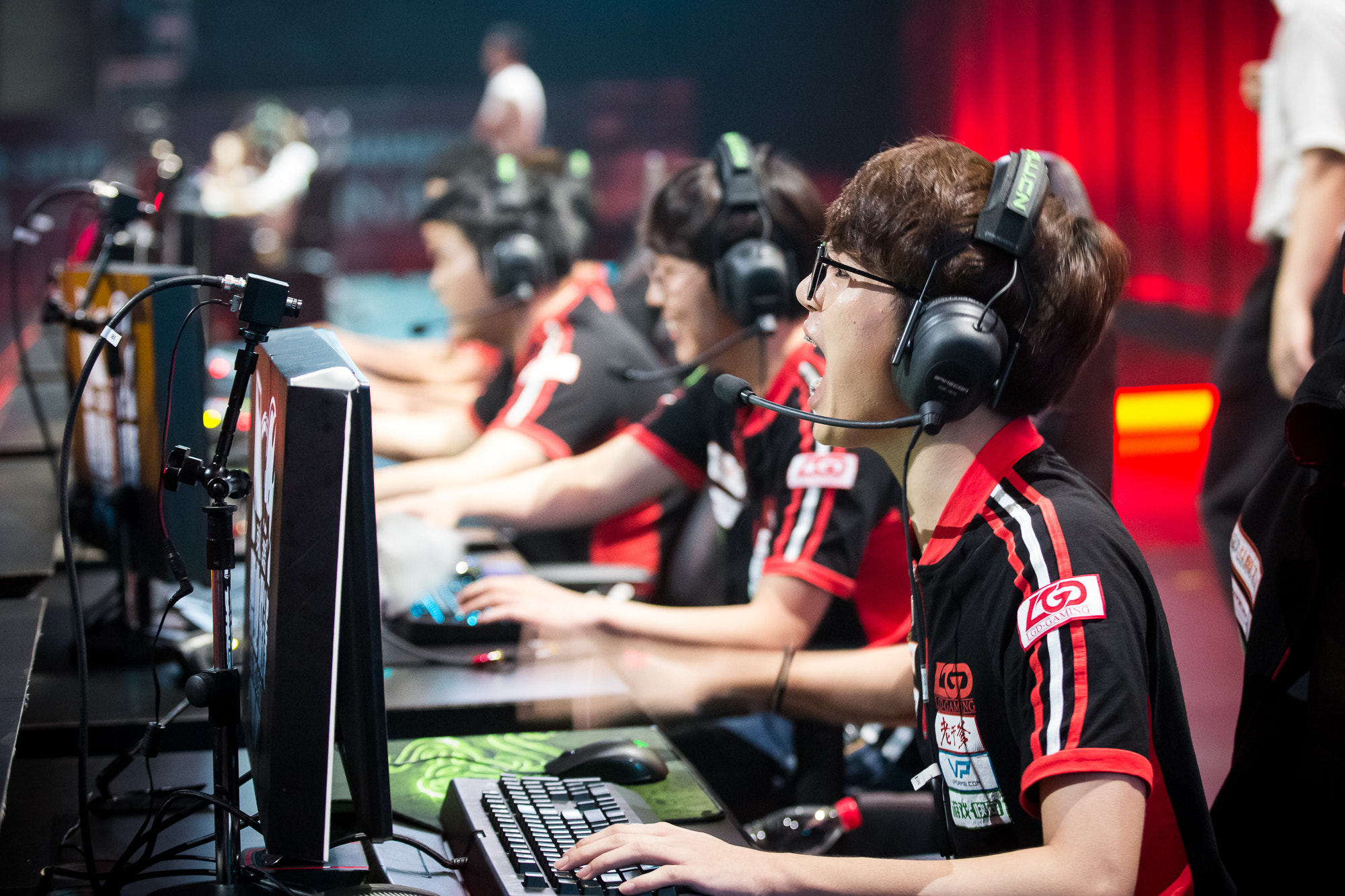
Editorial esports illustration; general competitive gaming information, not individualized coaching or professional performance advice.
Competitive gaming fundamentals
Read the match before committing to your next play
These guides explain general esports concepts and strategic approaches for educational purposes. Competitive methods should be adapted to the game, team composition and experience level involved. Organized competition requires fair play, responsible communication and respect for tournament rules.
Repeatedly using the same routes, objective setups or timing patterns can allow opponents to anticipate a team's next move. Study how experienced squads vary their approaches, manage information and adjust their positioning in response to the developing round. Strong coordination is not simply about moving together; it also involves understanding individual roles, communicating useful information and creating opportunities without exposing the entire lineup to unnecessary risk.
A decline in consistency can reflect fatigue, disrupted communication, unsuccessful tactical choices, opponent adaptation or poor resource management. Examine how teams distribute their attention, maintain composure after difficult rounds and avoid repeating strategies that no longer produce results. Across longer tournament series, disciplined preparation, efficient decision-making and the ability to adapt between maps can become just as important as individual mechanical skill.
Watch how a team responds when it loses control of an important area or becomes trapped between opposing players and an objective. Remaining in an exposed position can make defensive responsibilities more difficult and allow opponents to coordinate their next engagement. Effective positioning involves understanding escape routes, maintaining useful lines of sight, protecting teammates and recognizing when a rotation can interrupt the opponent's plan.
Competitive development sequence
Build a strategic foundation before raising the stakes
Successful esports performance is built through consistent fundamentals rather than relying exclusively on quick reactions or individual mechanical ability. Understanding game systems, positioning and team roles creates a foundation for more advanced strategies, coordinated plays and informed decisions under competitive pressure.
- Game knowledge and fundamentals Understand core mechanics, objectives, character or agent abilities, economy systems and the rules that shape competitive play.
- Positioning and map awareness Study movement routes, objective control, vision, rotations and the ability to recognize opportunities before opponents can respond.
- Team coordination and execution Examine communication, role distribution, utility usage, timing and the relationship between individual decisions and coordinated team plays.
- Match strategy and adaptation Analyze opponent tendencies, resource management, tactical adjustments and the decisions that influence tournament-level performances.
Inside the competitive team environment
Every successful roster needs a shared game plan
Study the opposition
Review previous matches, identify preferred strategies, examine player tendencies and prepare a tactical approach that accounts for the opposing team's strengths, weaknesses and likely adjustments.
Make meaningful adaptations
Evaluate how the match is developing, identify the most important strategic problem, communicate concise information and help teammates focus on the next objective or round.
Learn from the performance
Analyze successful plays, coordination mistakes, positioning, resource decisions and tactical choices. Record useful observations and identify areas that deserve attention during future practice sessions and tournament preparation.
Strong esports analysis starts with the right details
Share the game title, teams, players, tournament, specific map or round, and the strategic moment you want our editorial team to examine.